Pacific voices help shape innovative new course at Ara
29 July, 2026
Groundbreaking Pacific Culture and Health programme launched following extensive collaboration between Ara and Pacific community leaders.
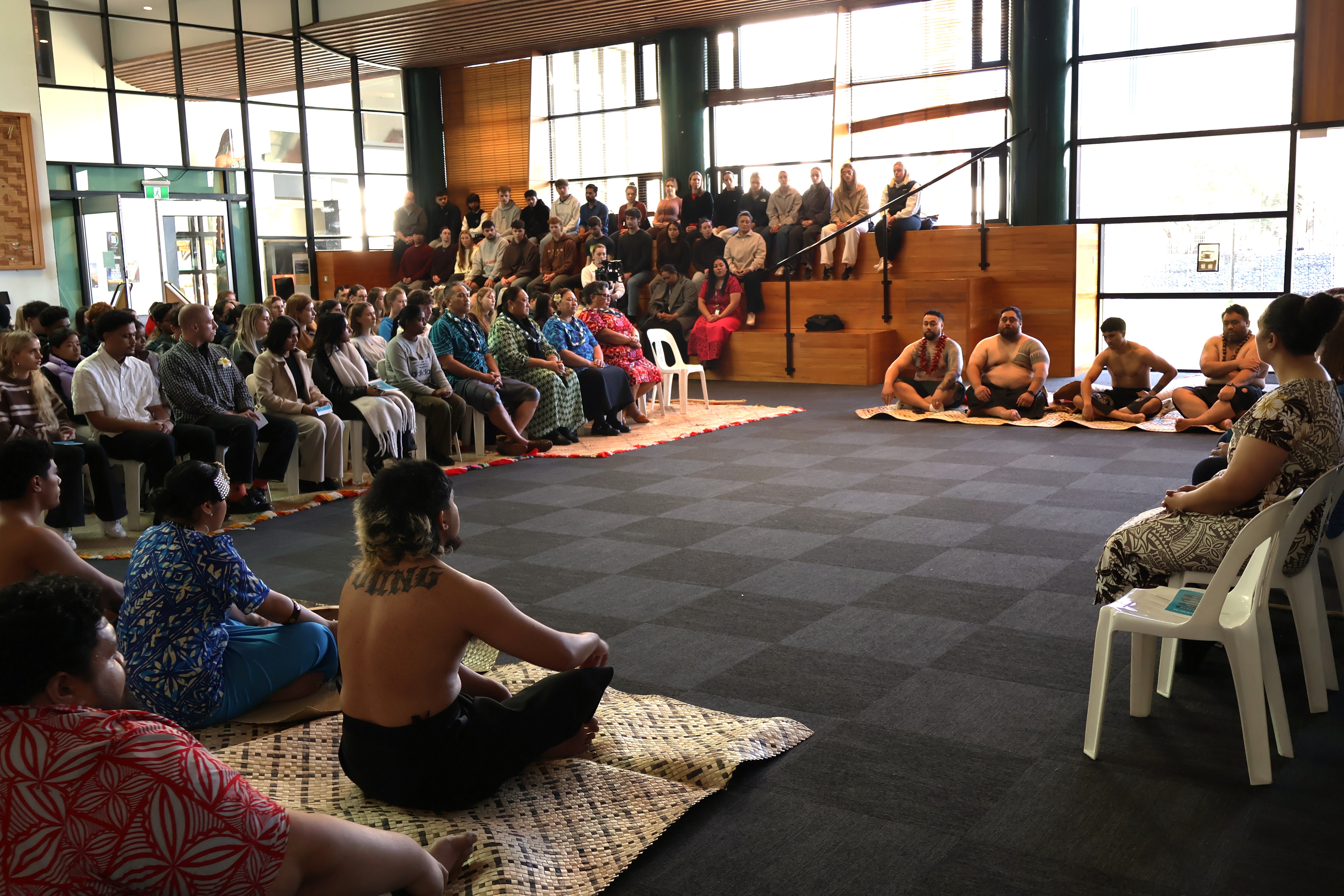
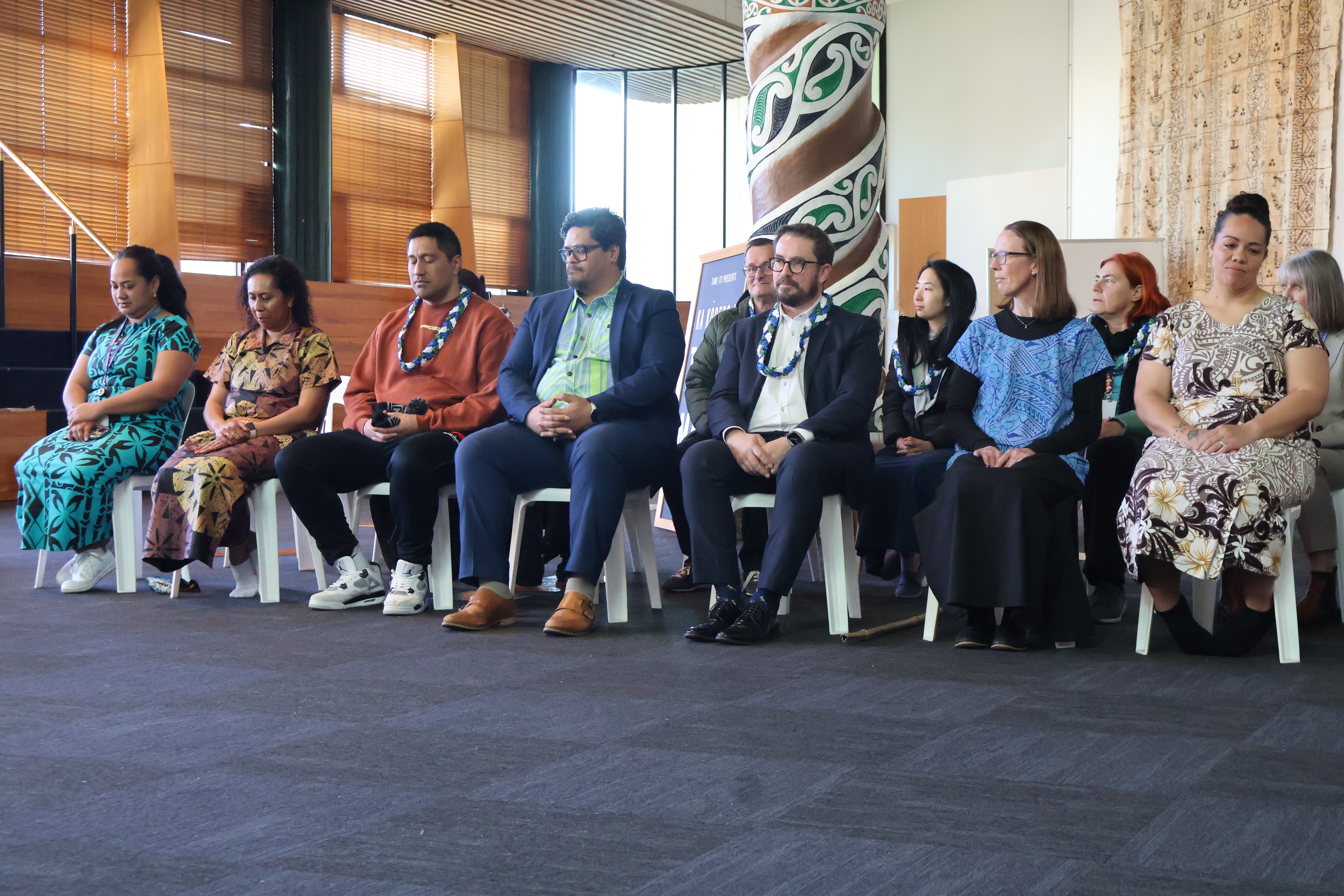
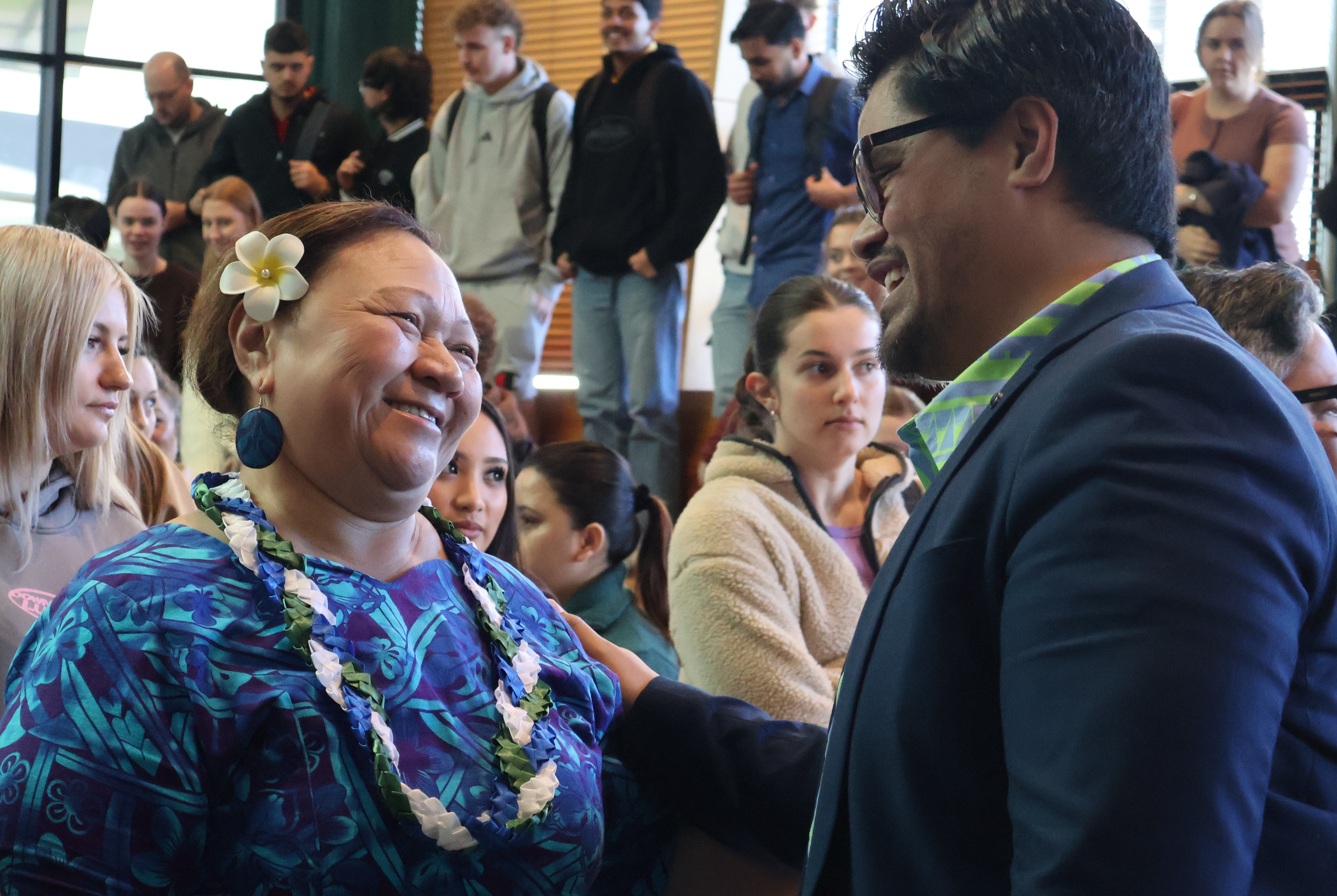
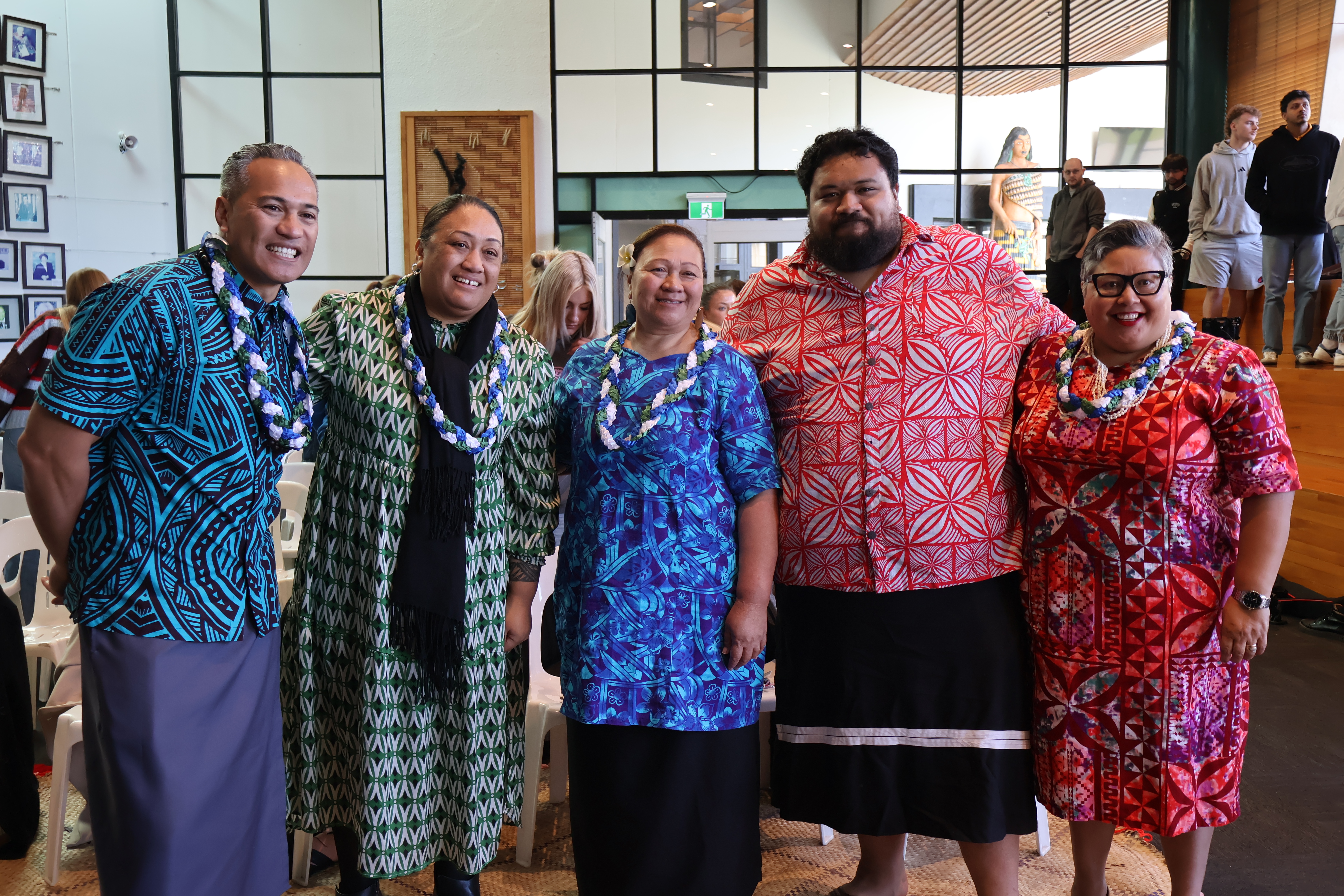
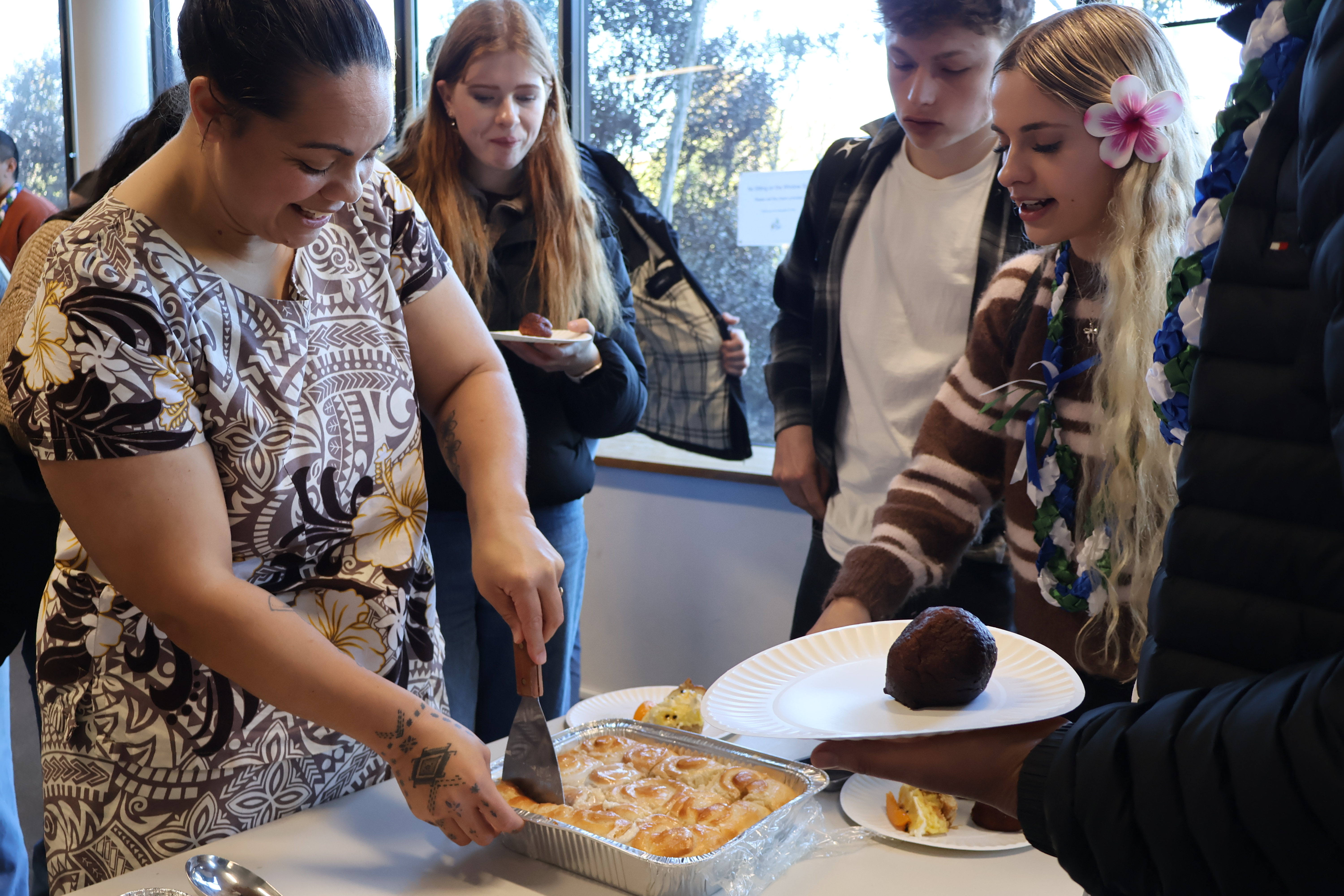
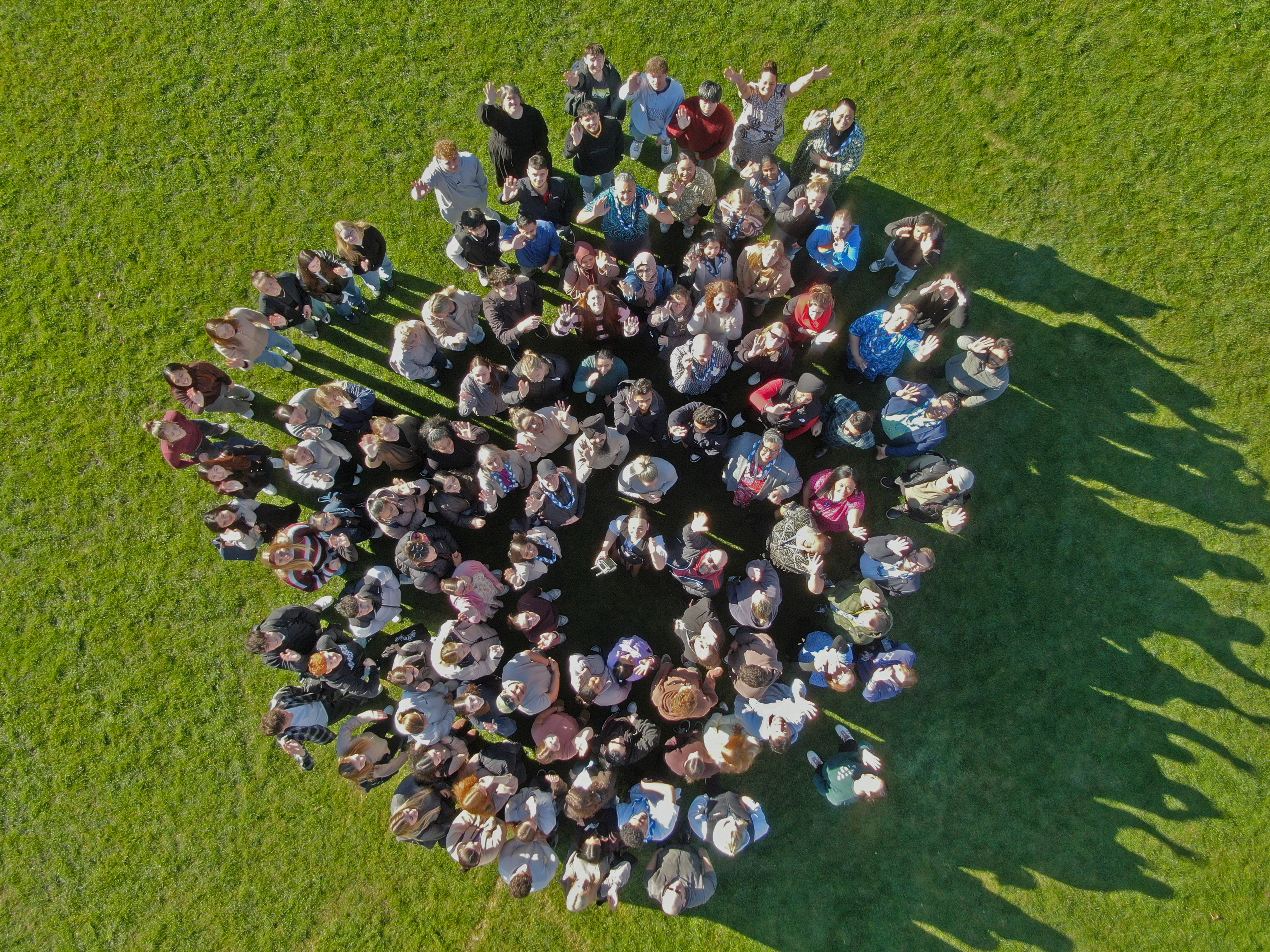
Pasifika partners, Ara ākonga (students) and kaimahi (staff) gathered to celebrate the programme's launch
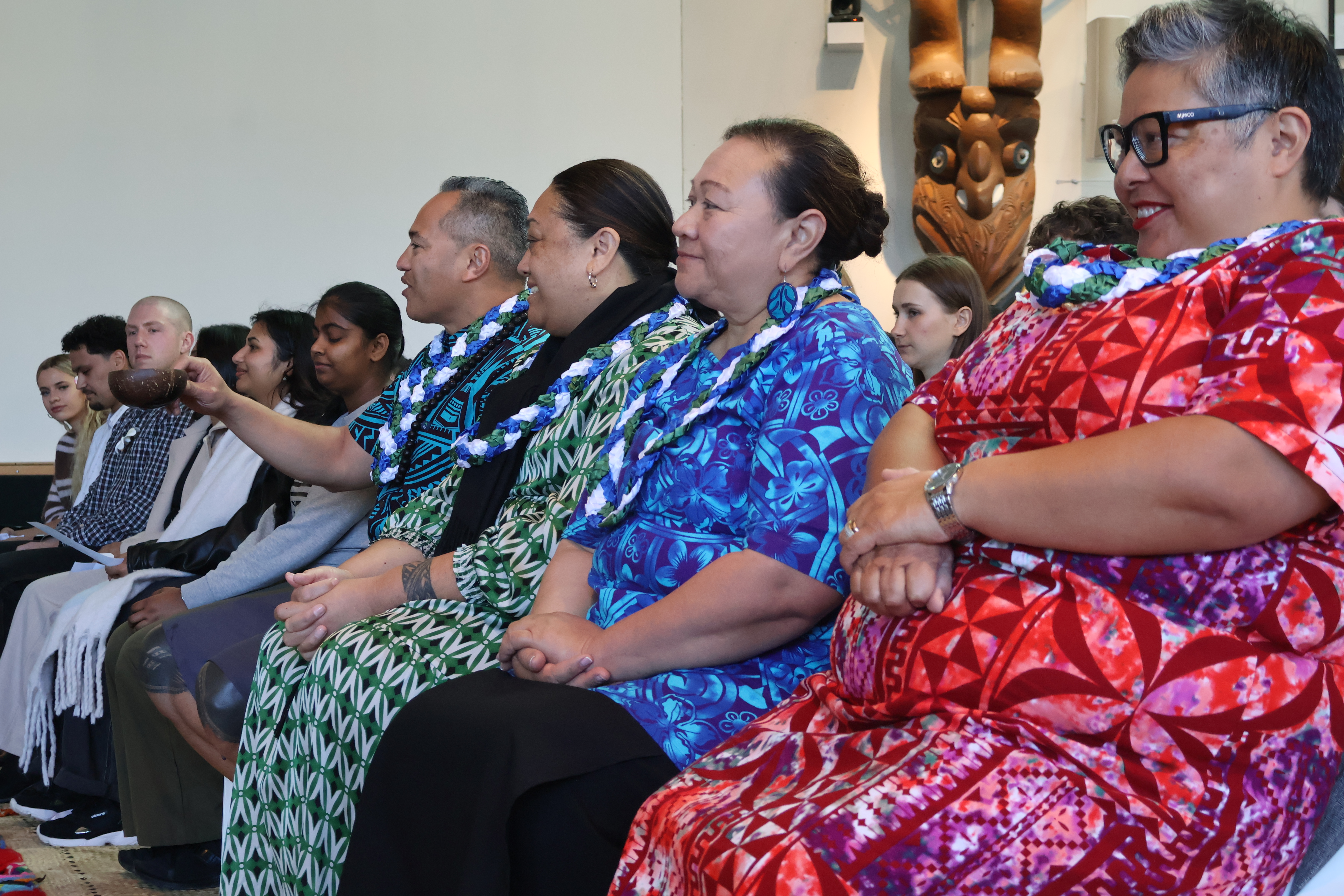
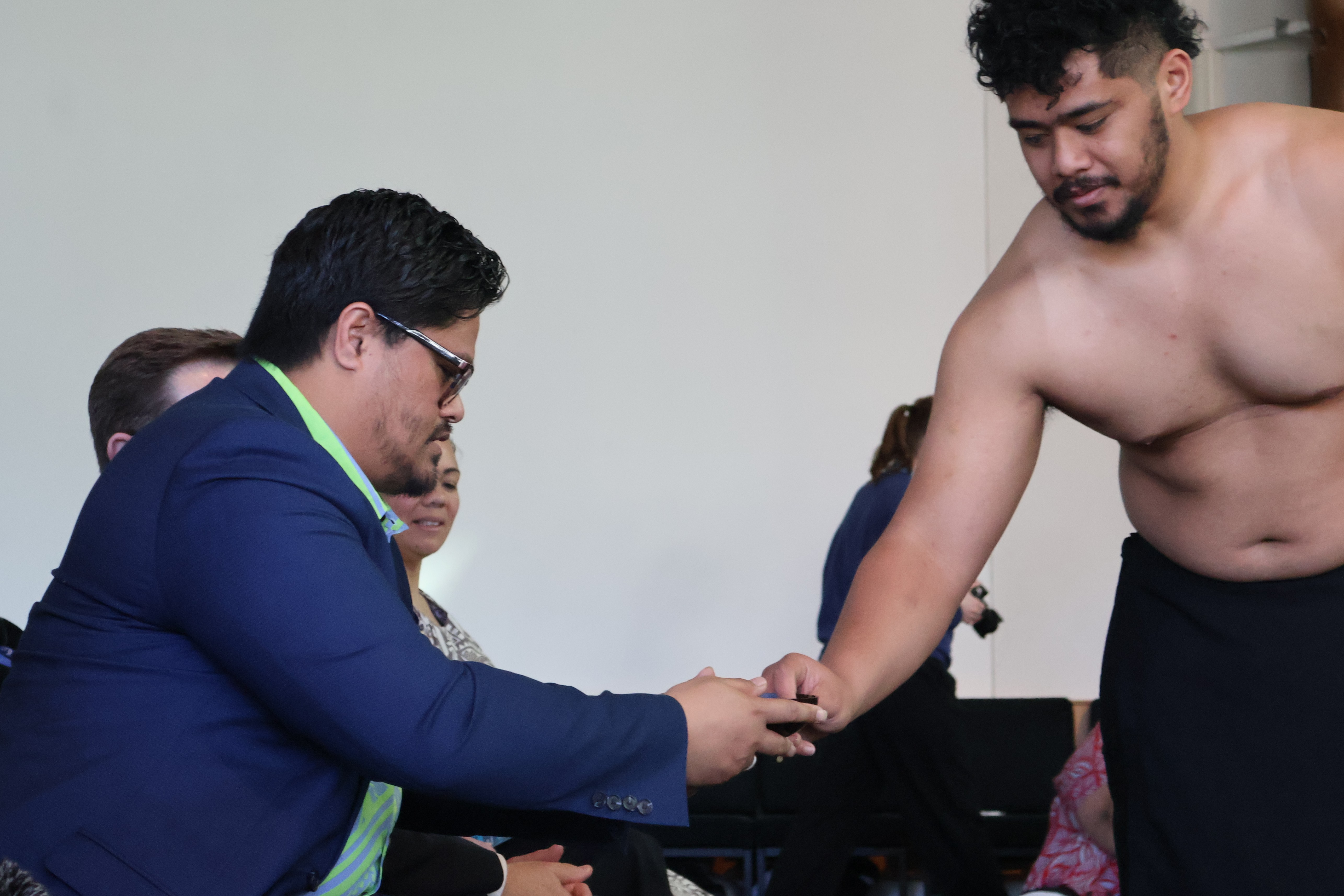
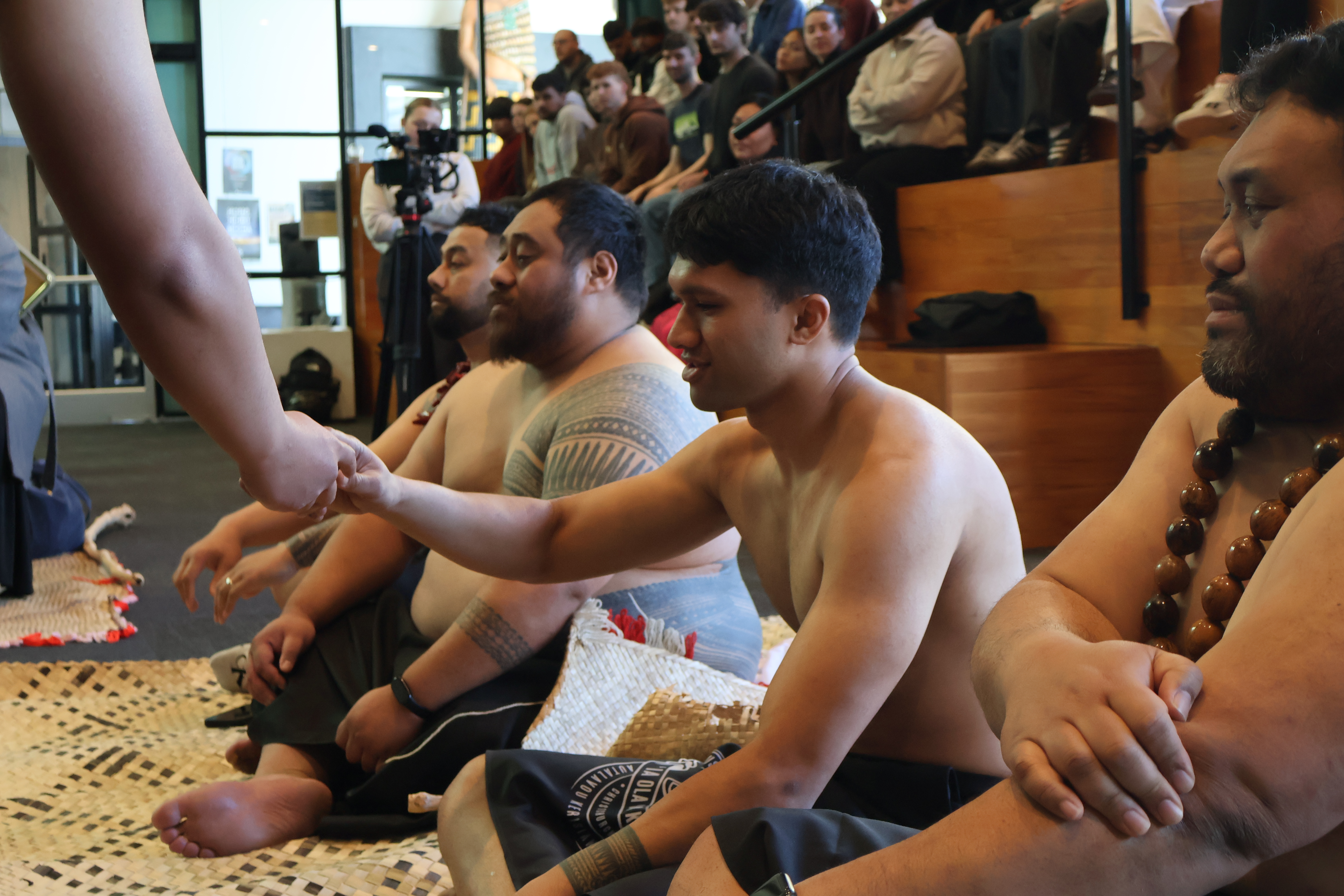
A vibrant ava ceremony and a proud declaration of "we did it" marked the launch of a new Pacific Culture and Health course at Ara Institute of Canterbury.
The Level 5 course was developed in response to feedback from Pacific stakeholders and aims to prepare graduates to work more effectively alongside Pacific peoples and communities.
Delivered for the first time this semester, the course is a compulsory first-year paper within Ara's Bachelor of Applied Science programme. This year, second-year ākonga studying health promotion, human nutrition and sport and exercise-related fields will also complete the programme as the new curriculum is embedded.
In all, more than 90 ākonga are enrolled in the inaugural offering and were among those gathered to celebrate in the whare at Te Puna Wānaka on Ara's City campus.
Senior Academic Helen Marshall said the need for a Pacific-focused course emerged during a programme review and a series of talanoa with Pacific community and industry representatives.
"When we started these conversations at the end of 2024, the need for a first-year Pacific course came through loud and clear," Marshall said.
"The course explores Pacific histories, migration journeys, health perspectives, language and communication, relationship building through the concept of vā, as well as traditional Pacific sports, games and cultural practices."
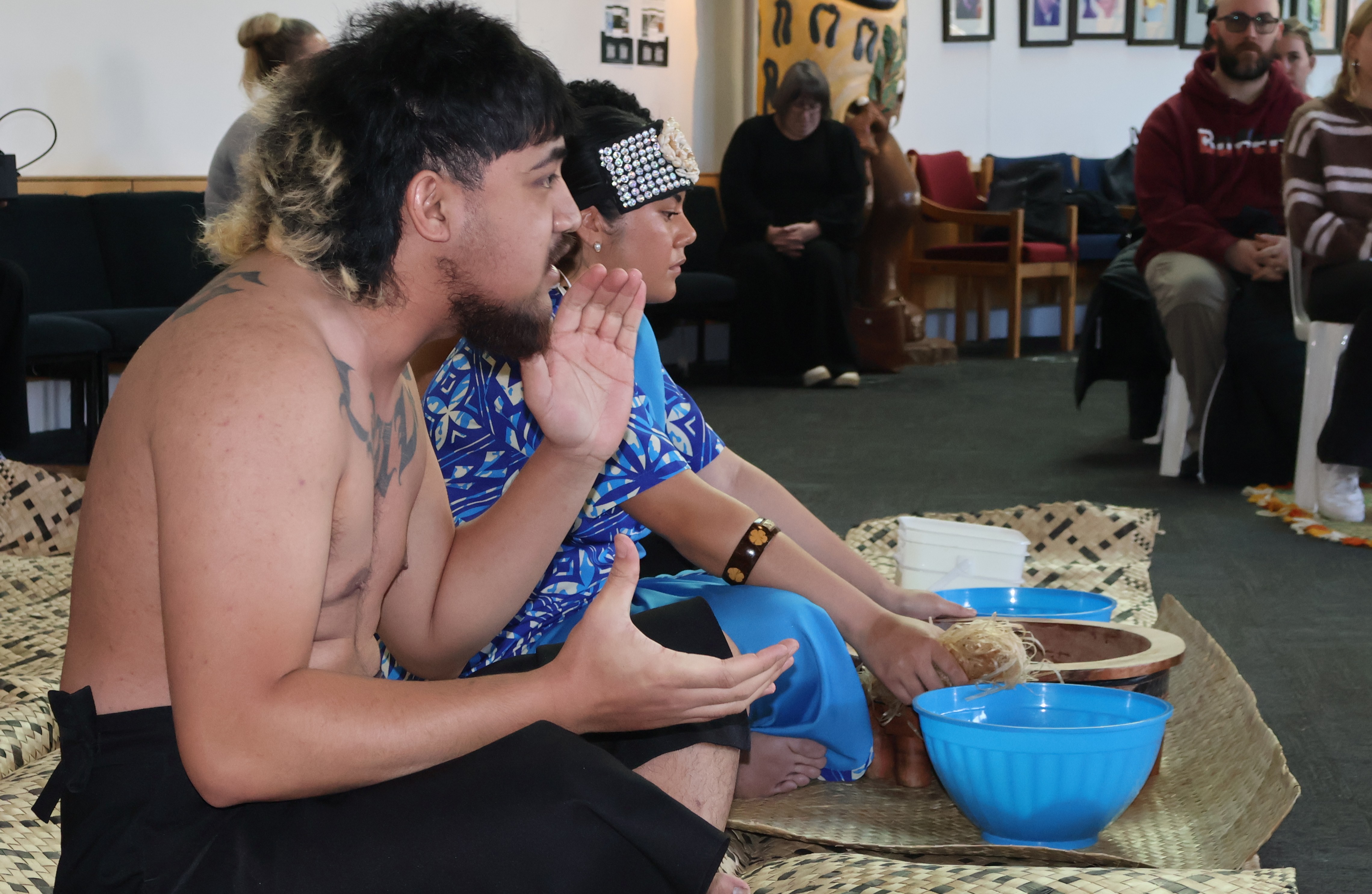
The course is being co-taught by Marshall alongside Pacific educators from across Ara, including Amelia Tukana from the Bachelor of Social Work and Sina Latu and Alofa Ahdar from the Certificate in Health and Wellbeing programme.
Marshall said the goal was to better prepare graduates for the communities they will work alongside throughout their careers.
"Our graduates going into industry need to be as culturally aware as they can. If we're working more effectively and more respectfully with people, that's got to lead to better outcomes," she said.
The course has been shaped through ongoing engagement with Pacific partners, with a series of talanoa helping guide its development and delivery.
Ara Associate Director for Pacific Success Sua Tauti said the programme represented many voices and years of collaboration.
“Guided by our Pacific Strategy, Ara’s Pacific Success team has played an important role in strengthening the understanding and bond between our academics and our Pacific communities,” he said.
"This course is a tangible example of what can happen when community and education work together. "Ultimately, it'll contribute to greater learner success and better outcomes for our communities."
"We're very proud to see this vision come to life and grateful to the many Pacific leaders, organisations and community members who've walked alongside us throughout the development process."
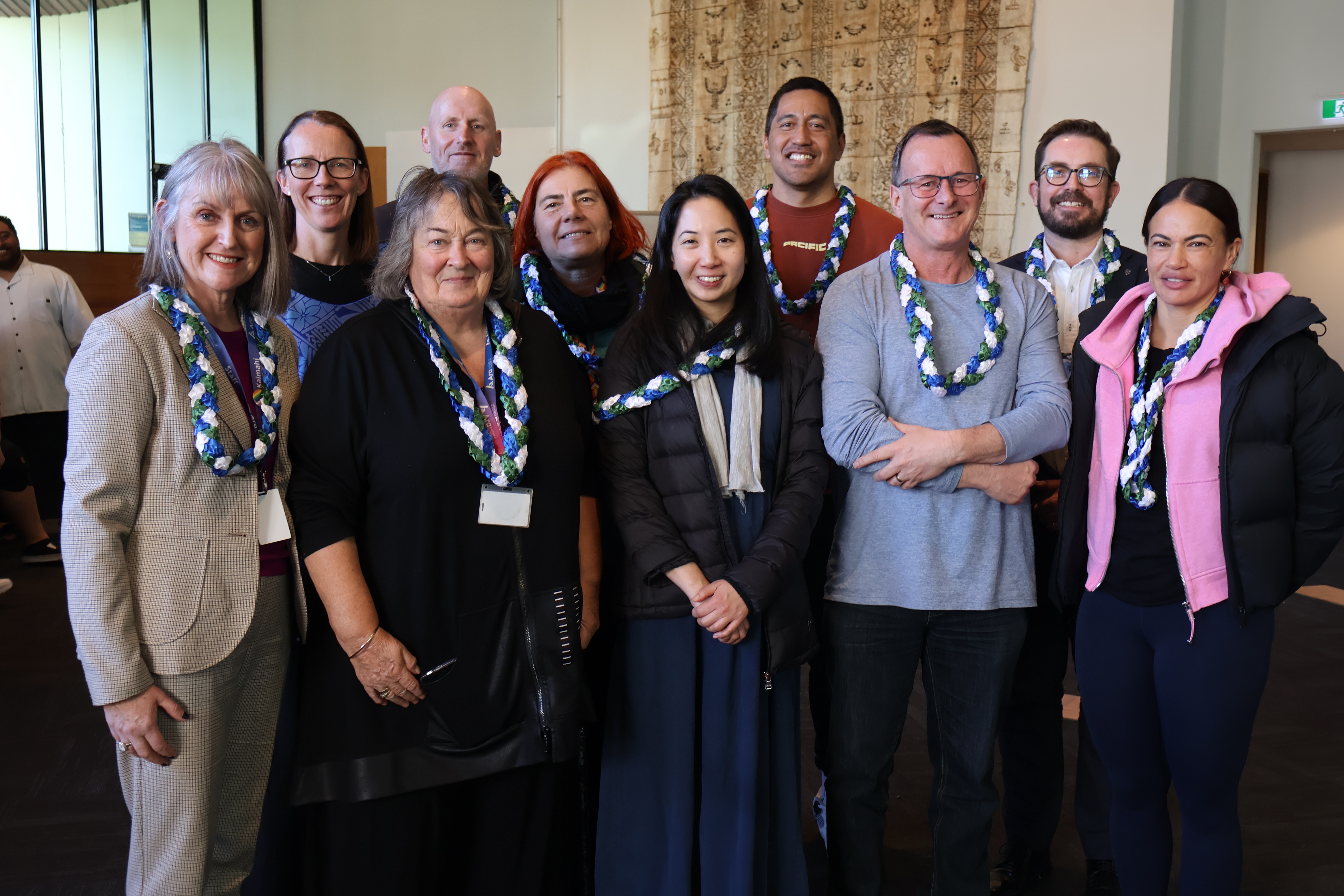
Its development has been supported by community and sector partners including the Ministry of Education, Health New Zealand Te Whatu Ora, Tangata Atumotu Trust, Vaka Tautua, the Ministry for Pacific Peoples and other Pacific organisations.
Many were represented at today’s ceremony including Pacifika health advisor and cultural humility educator Lisa Taylor-Haleck-Helu. She said the launch represented a significant step forward for the health and wellbeing sector.
"The reality is that many of the complexities Pacific communities experience are not always well understood through a traditional Western lens," she said. "If we want people to provide the best possible care and support, they first need a deeper understanding of the communities they're working alongside.”
"This course is a game changer. Students will enter their professions with knowledge and understanding that will influence how they build relationships, communicate and ultimately deliver better outcomes for Pacific peoples and families."
While compulsory for first-year Bachelor of Applied Science students, the course has also attracted interest from beyond its core cohort, with several third-year students choosing to take it as an elective.
Marshall said that interest reflected a growing recognition of the importance of cultural understanding in the health and wellbeing sectors. "Our hope is that we can offer this programme more widely in future," she said.
The ava ceremony celebrated not only the launch of a new course, but the relationships, trust and shared commitment that helped bring it to life.