Ara architecture students design for connection at Te Kohinga Harakeke o Aotearoa
10 August, 2026
Annual Ara Vertical Learning Studio visits the National New Zealand Flax Collection
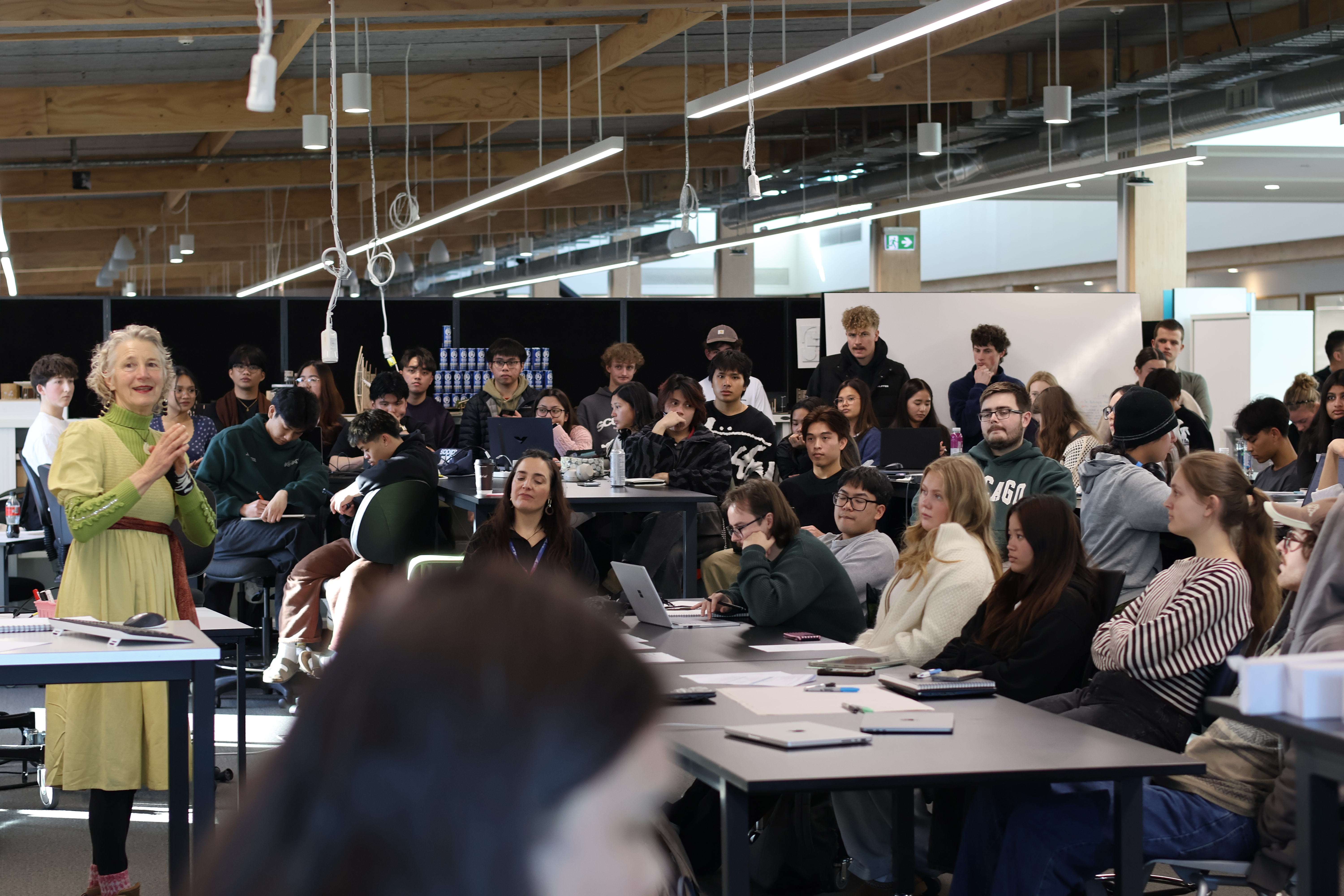
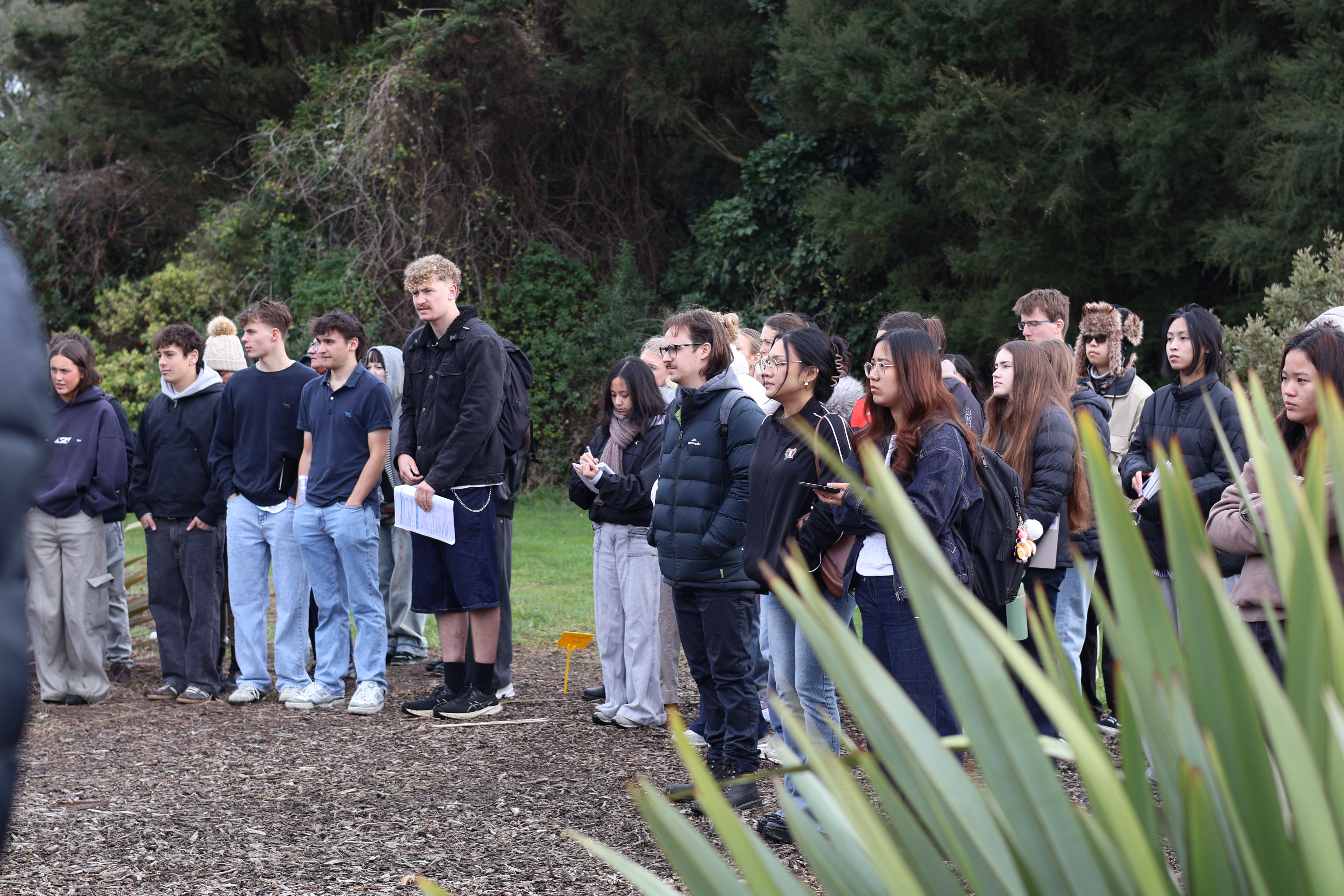
Kaitiaki Katarina Tawiri shared the story and significance of Te Kohinga Harakeke o Aotearoa with Ara ākonga.
Ara Bachelor of Architectural Studies ākonga (students) spent an intensive week of applied learning, cultural exploration and design as part of their annual Bachelor of Architectural Studies Vertical Studio.
This year’s project asked ākonga to develop ideas for a pavilion and gathering space at Te Kohinga Harakeke o Aotearoa, the National New Zealand Flax Collection, at the Bioeconomy Science Institute Maiangi Taiao in Lincoln.
Working in multidisciplinary teams across Years 1, 2 and 3, ākonga created concepts to support weaving, storytelling, wānanga (discussions), hui (meetings) and connection between people and place. Their proposals responded to the collection’s cultural importance, its landscape and its potential as a place for learning, research and community.
The collaborative nature of the annual studio fostered a tuakana-teina (older sibling-younger sibling) relationship, where senior students mentored their junior peers. For some third-year ākonga, the project represents the culmination of three years of diverse site-specific challenges.
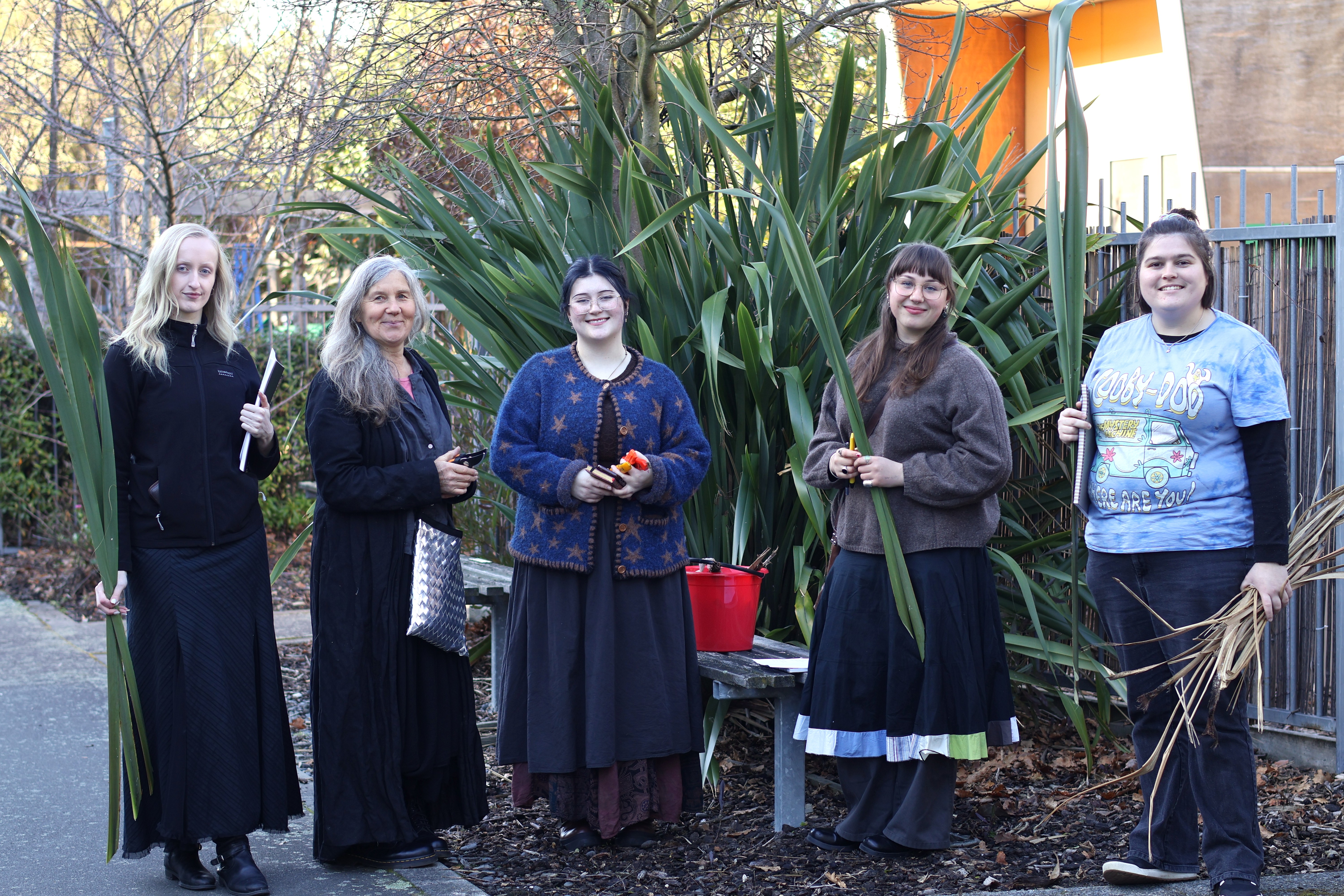
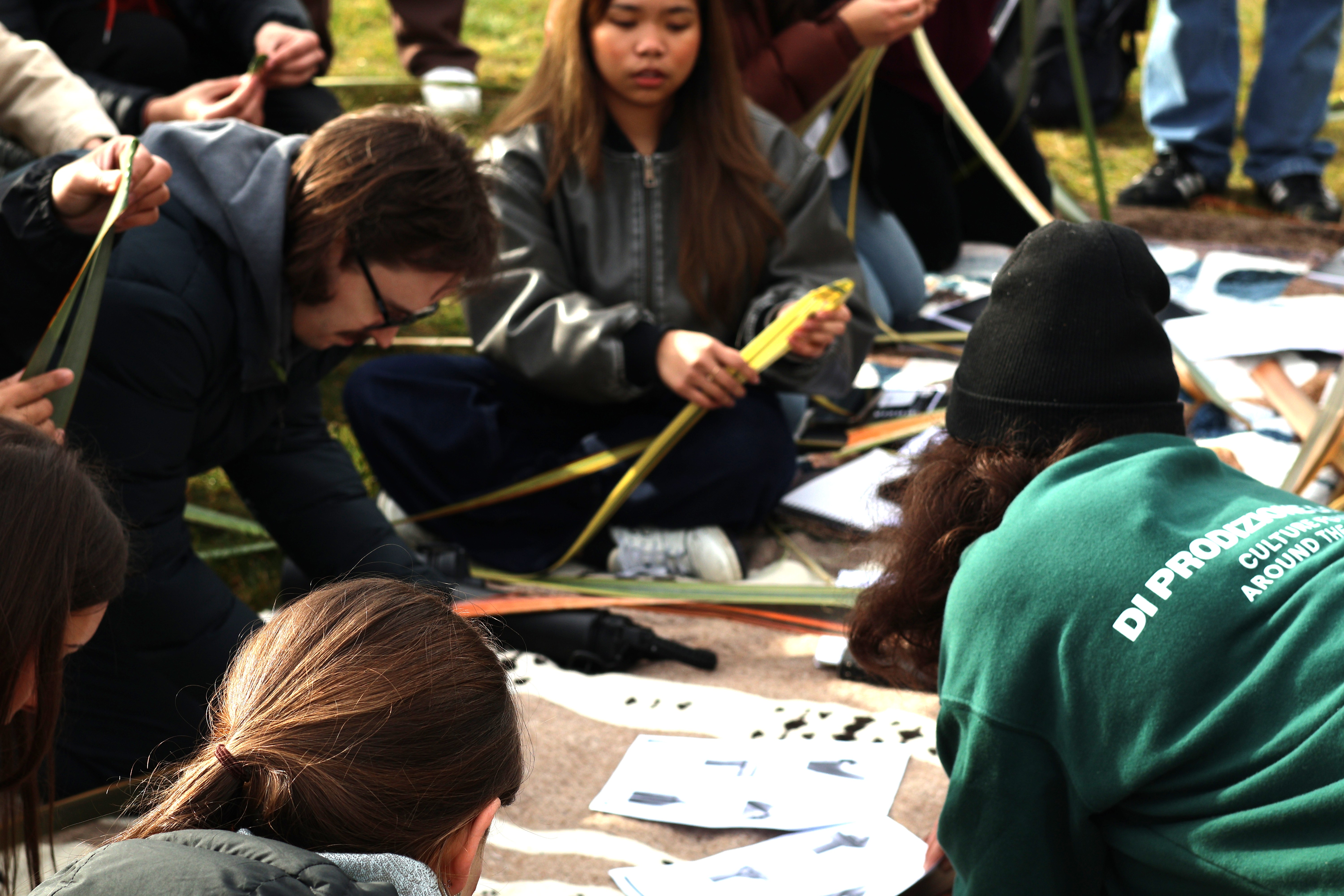
Ākonga harvested harakeke on campus to explore the material's properties.
The week began with a guest lecture from Te Kohinga Harakeke o Aotearoa kaitiaki, Katarina Tawiri, who introduced students to the significance, history and future aspirations of the pā harakeke (New Zealand flax plantation).
“Harakeke connects people. It’s about sharing, exchanging, and exploring new ideas together. Everyone is welcome in this space, and ideally, that’s what the gathering place will reflect and support,” said Tawiri.
The Rene Orchiston Collection began when Orchiston started collecting and planting harakeke cultivars in her Gisborne orange orchard in the 1960s. She exchanged plants with people around the country, sometimes for oranges or honey, helping preserve varieties valued for their particular qualities and uses.
Manaaki Whenua took on the kaitiaki (custodian) role for the collection in 1987. Today, it’s one of New Zealand’s Nationally Significant Collections, supporting weaving traditions, research, education and cultural practice. Plants from the collection have been shared with marae, schools, community groups, researchers and artists throughout Aotearoa.
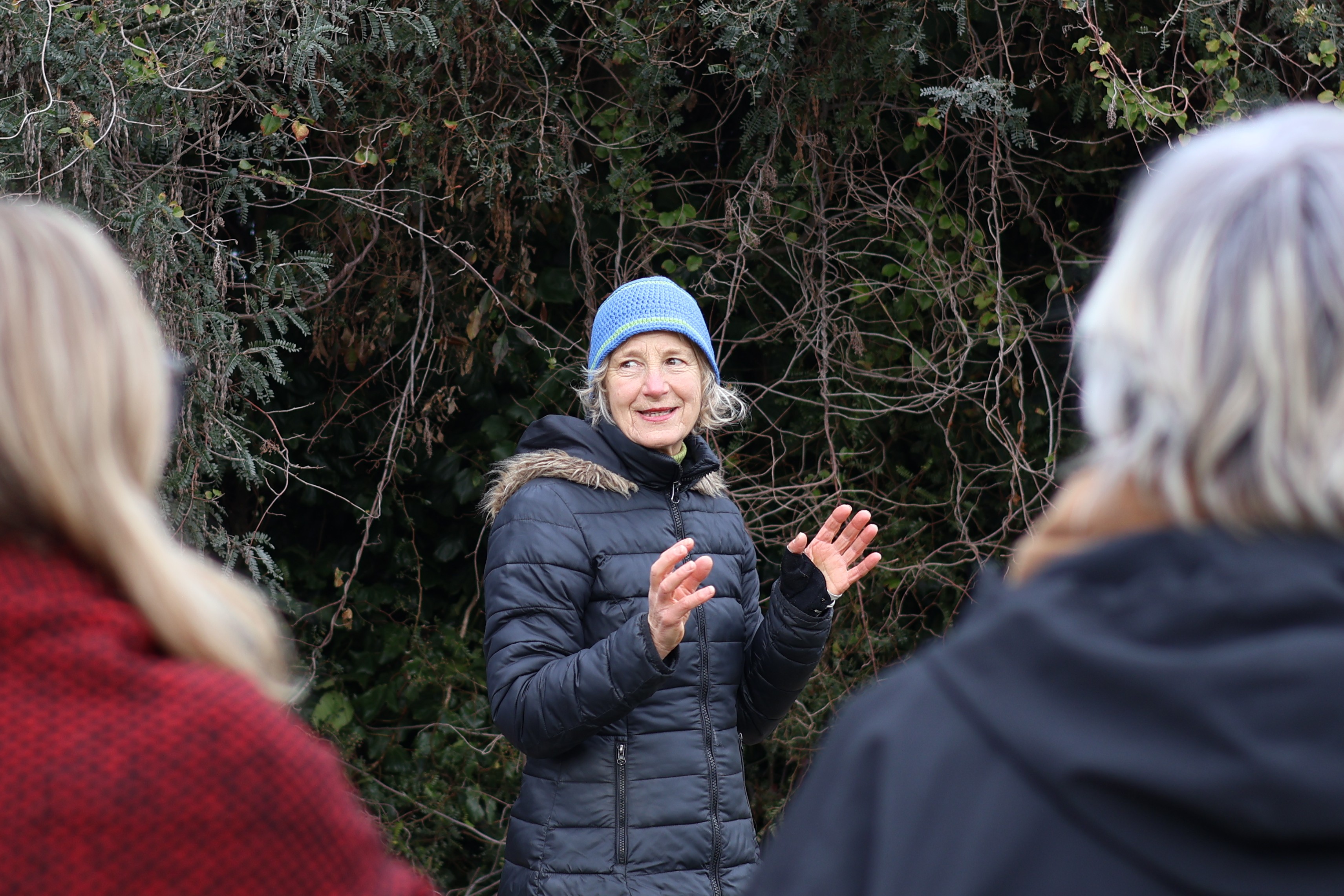
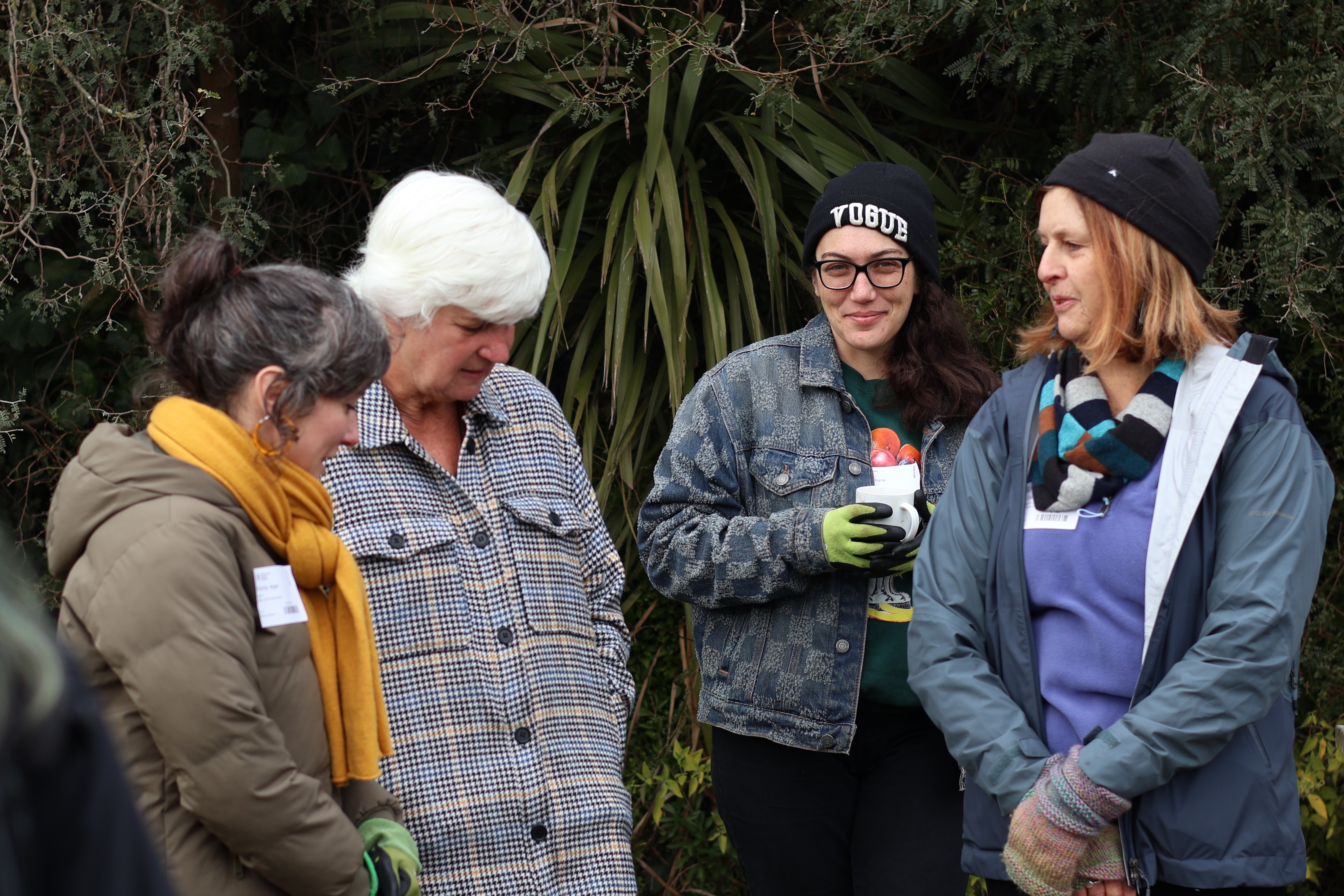
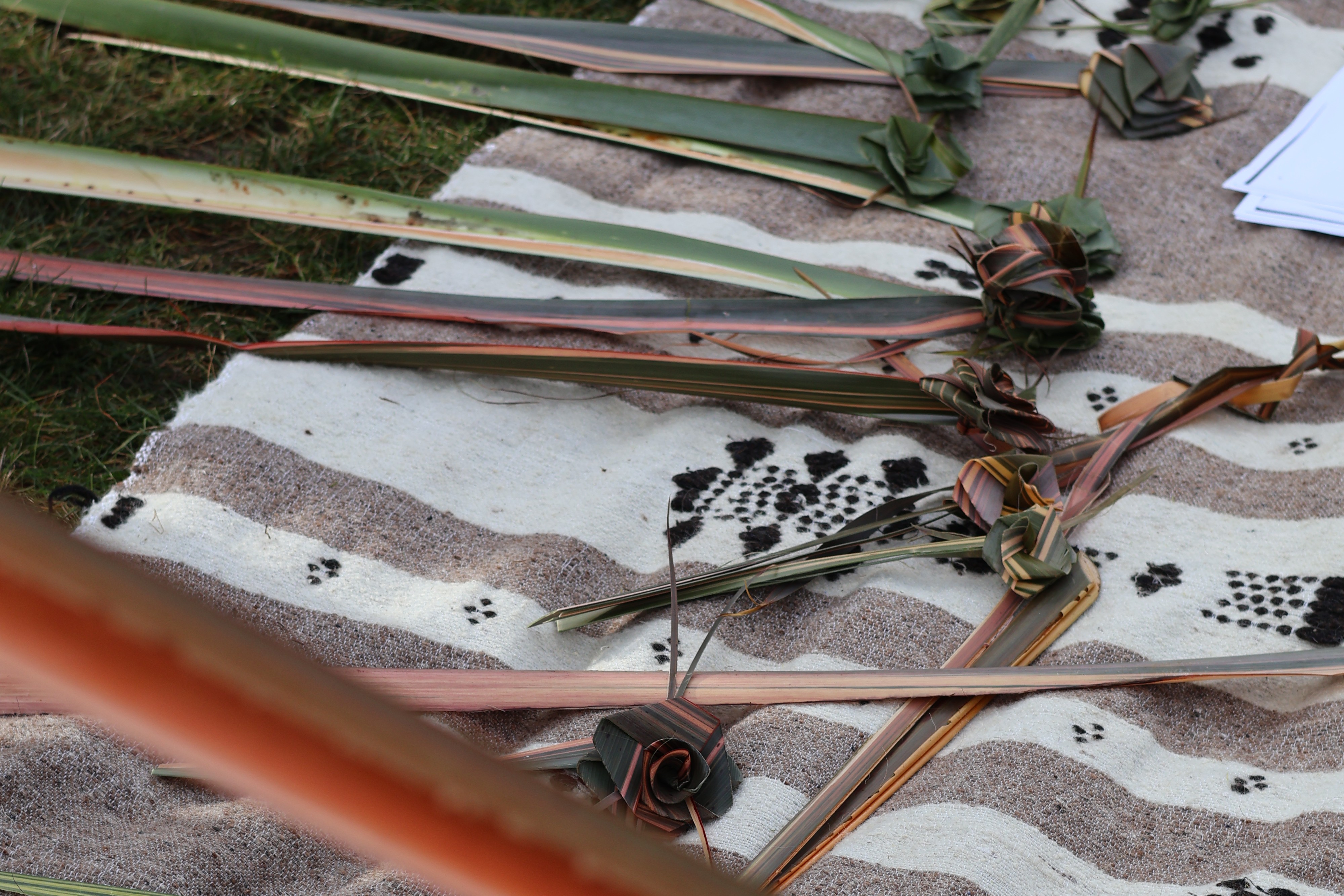
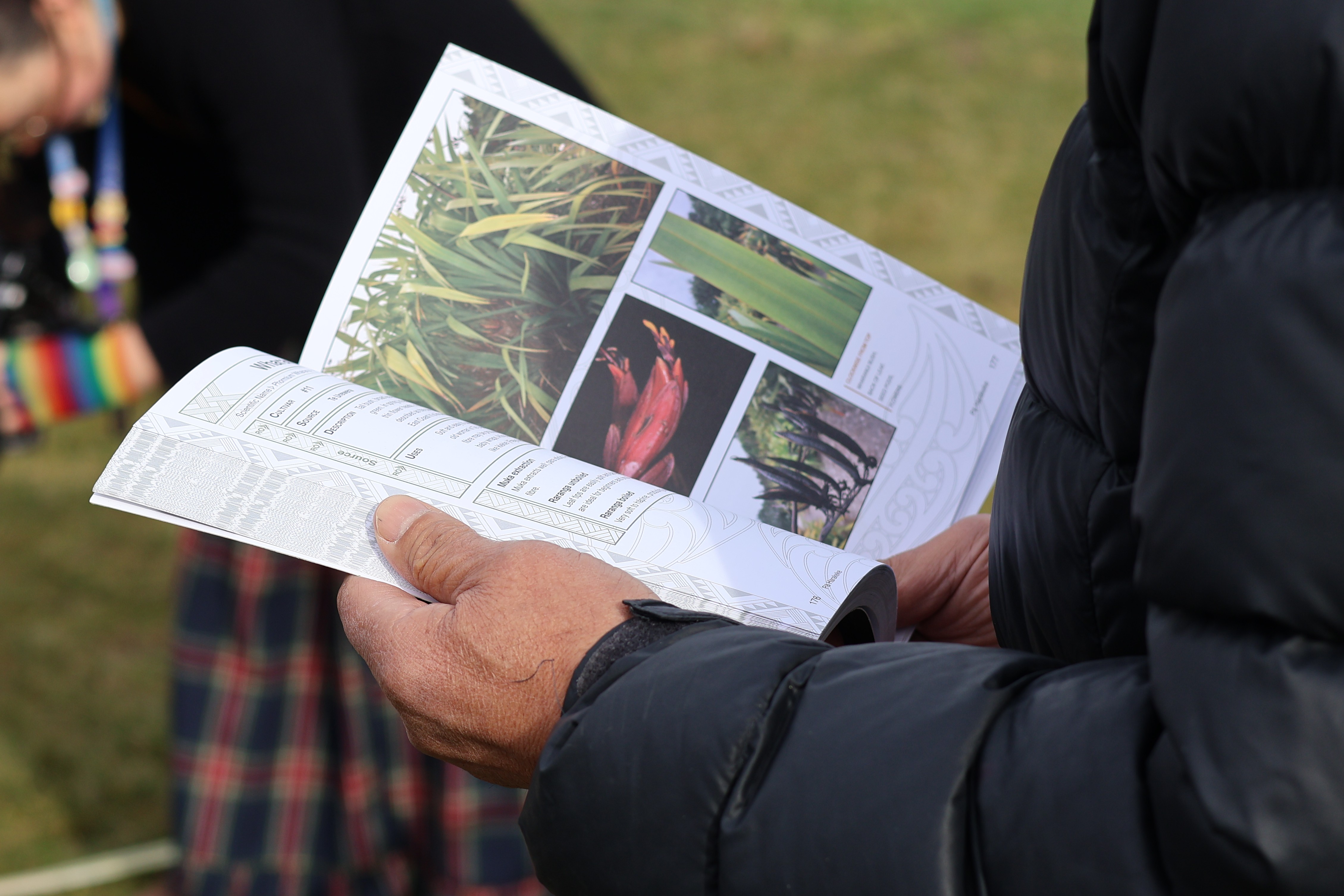
Katarina Tawiri and volunteer weavers generously shared their knowledge, showing ākonga how to harvest harakeke and weave it into putiputi (flowers).
On Tuesday, ākonga visited the collection at Lincoln, where Katarina and four weavers led a harvesting and weaving session.
Ākonga learned to harvest harakeke sustainably and in accordance with tikanga, experienced the feel and scent of freshly cut leaves by weaving a putiputi (harakeke flower), and saw how muka (flax fibre) was extracted.
The session gave ākonga a deeper understanding of the material and the mātauranga Māori (Māori knowledge) that surrounds the use of harakeke.
Tawiri said she and the volunteer weavers were struck by the students' curiosity and willingness to learn.
“Welcoming and hosting more than 100 architectural ākonga at Maiangi Taiao Pā Harakeke was an experience my weaving colleagues and I will never forget. We were deeply impressed by their attentiveness, thoughtful questions and the speed with which they grasped the significance of the pā harakeke and the purpose of the project,” she said.
Harakeke has long been central to Māori life and innovation. Its muka is used in textiles, cordage and other practical applications. Rau (leaves) and muka are also used to make containers, clothing and woven adornments, including feathered garments designed for warmth.
The material’s value was recognised beyond te ao Māori (the Māori world). During the late 1800s, flax became a major export industry, with mills processing fibre for rope, twine and other products. Read more about the history of the industry in Te Ara’s article, Flax and flax working: the flax industry.
The practical experience at Te Kohinga Harakeke o Aotearoa informed the students' design decisions as they considered how architecture could respectfully support cultural practice as well as providing shelter.
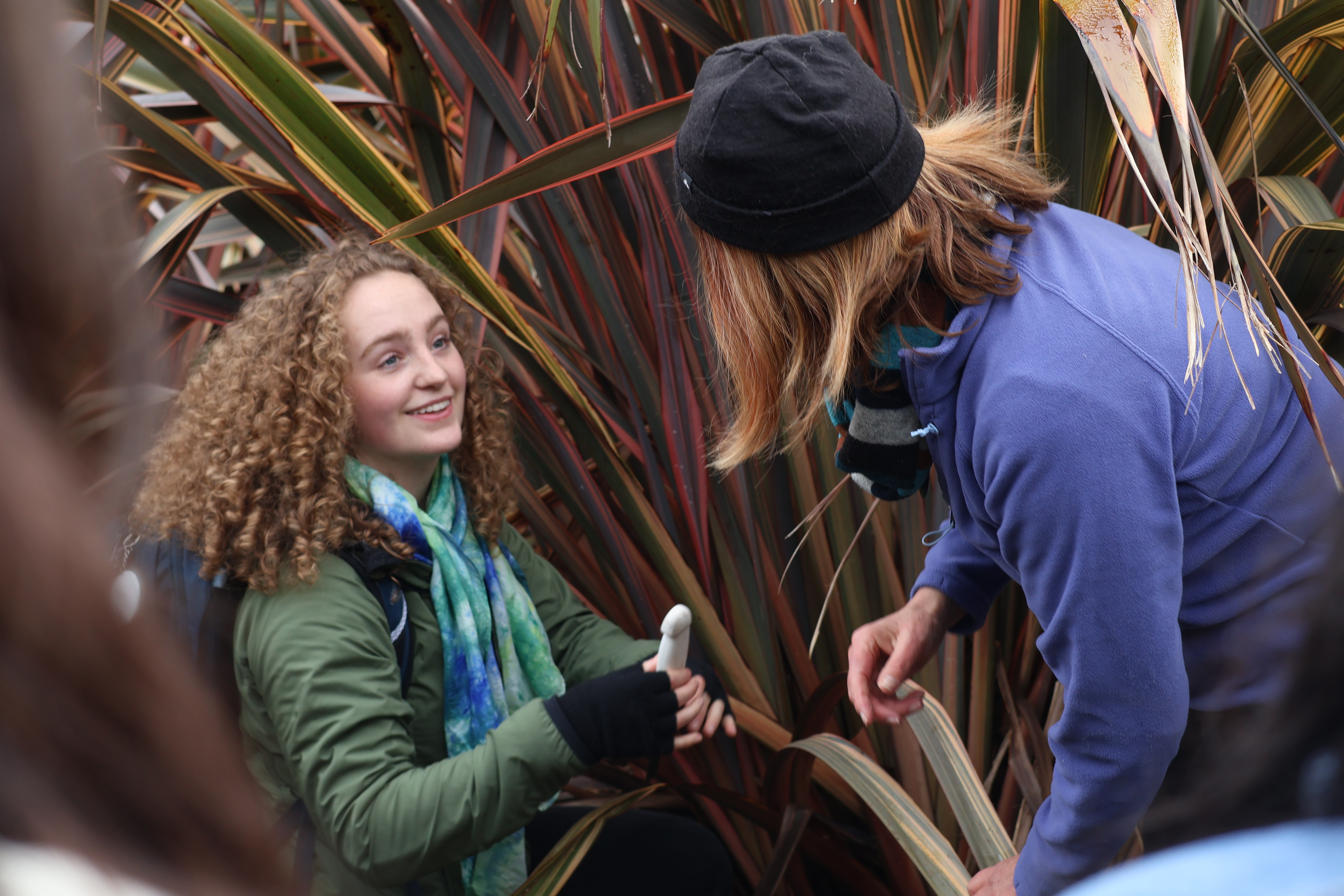
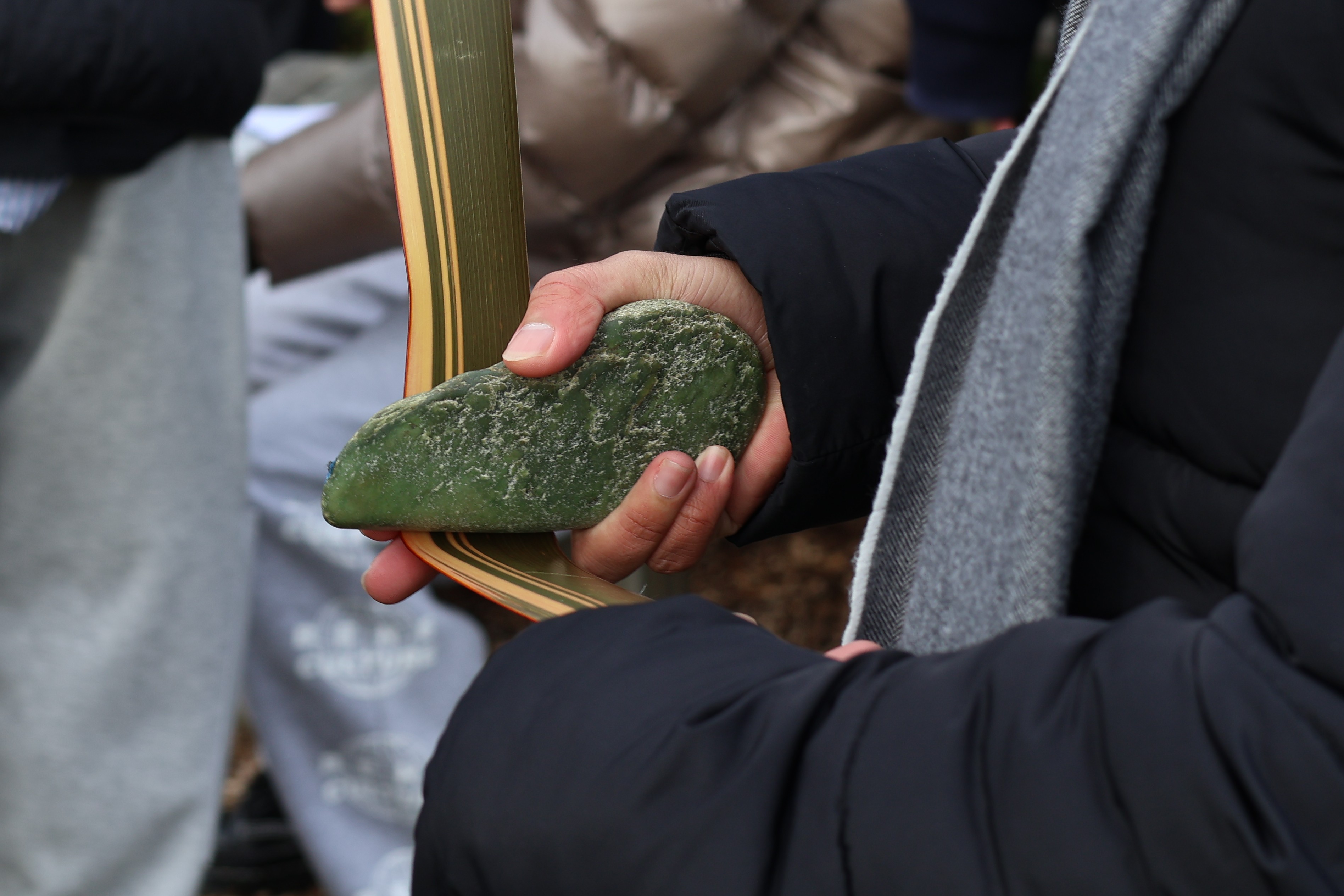
Ākonga learned to harvest and prepare harakeke for weaving.
Irene Boles, Senior Lecturer in the Bachelor of Architectural Studies programme, explained the importance of the annual Vertical Studio project.
“Vertical Studio allows ākonga to learn through doing – something that’s embedded throughout their degree. They get to work with a real client and design for a real place, and in this instance, they’ve also been asked to listen, observe and learn from mātauranga Māori. That experience should shape their design thinking, from the materials they consider to the way people gather, move through and feel within the space.”
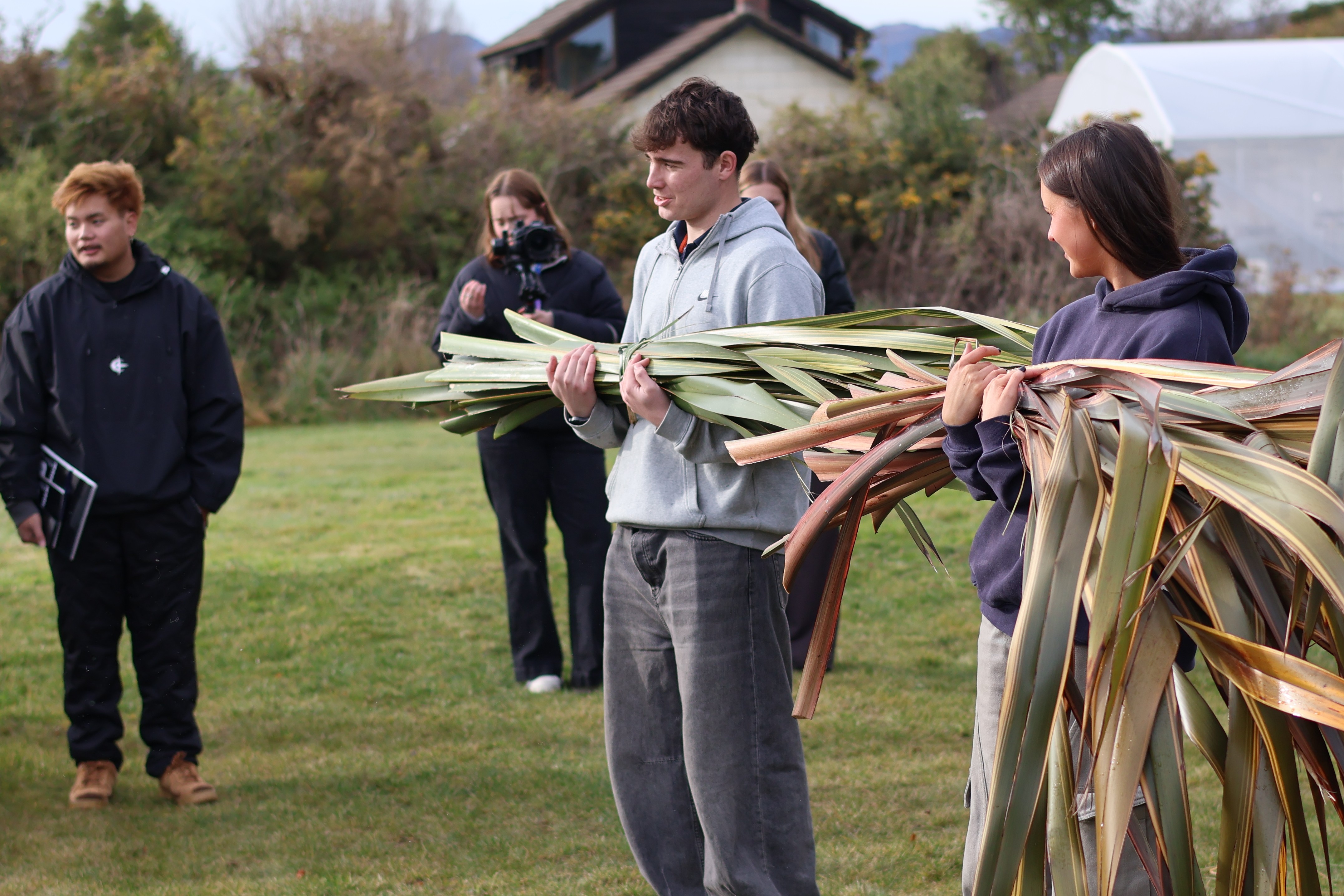
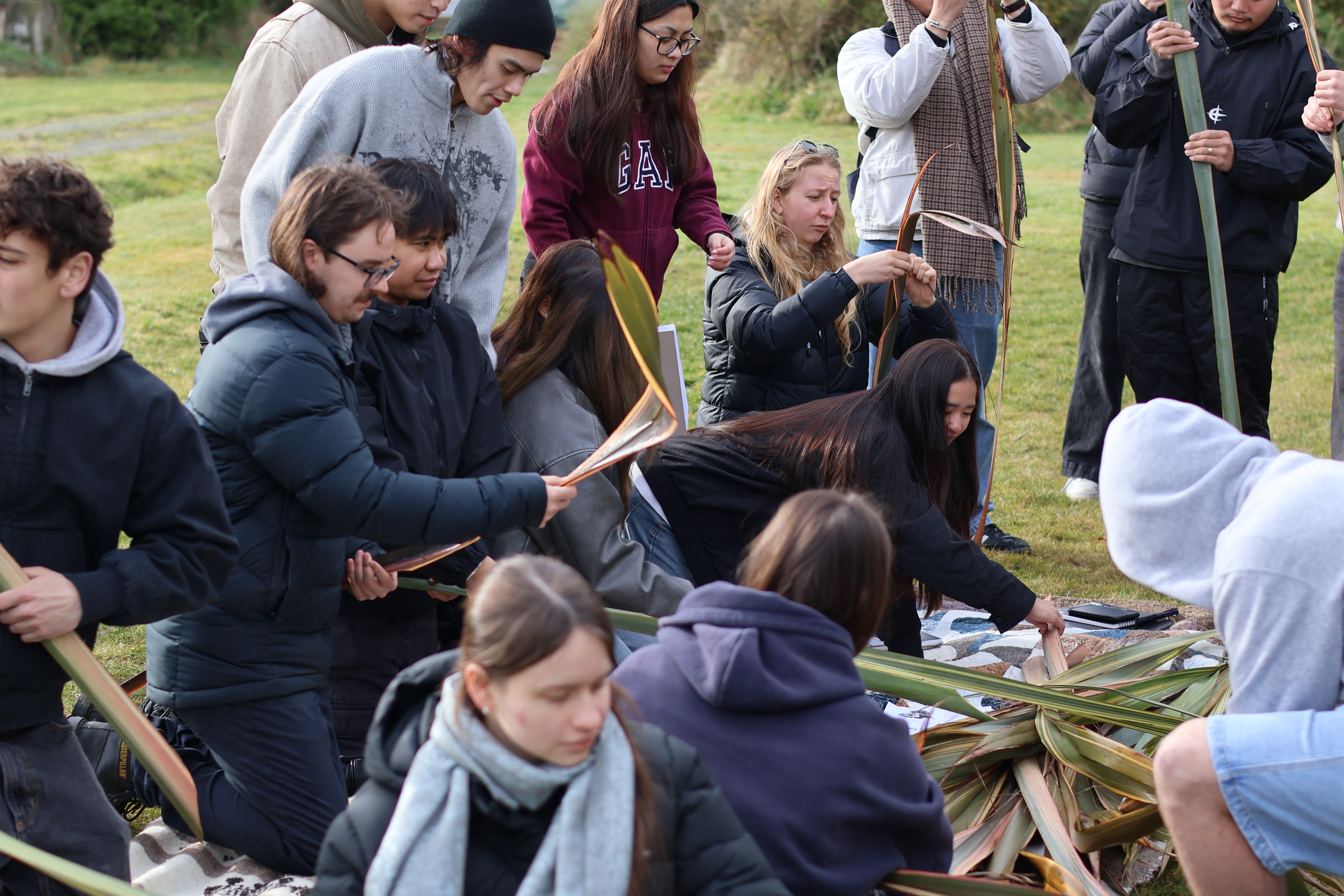
The designs also had to address the physical realities of the Lincoln site. Tawiri noted that while harakeke "doesn't mind wet feet," the heavy clay soil and drainage issues would require architectural solutions to ensure the space is accessible for everyone, including kuia (older women) and those using wheelchairs.
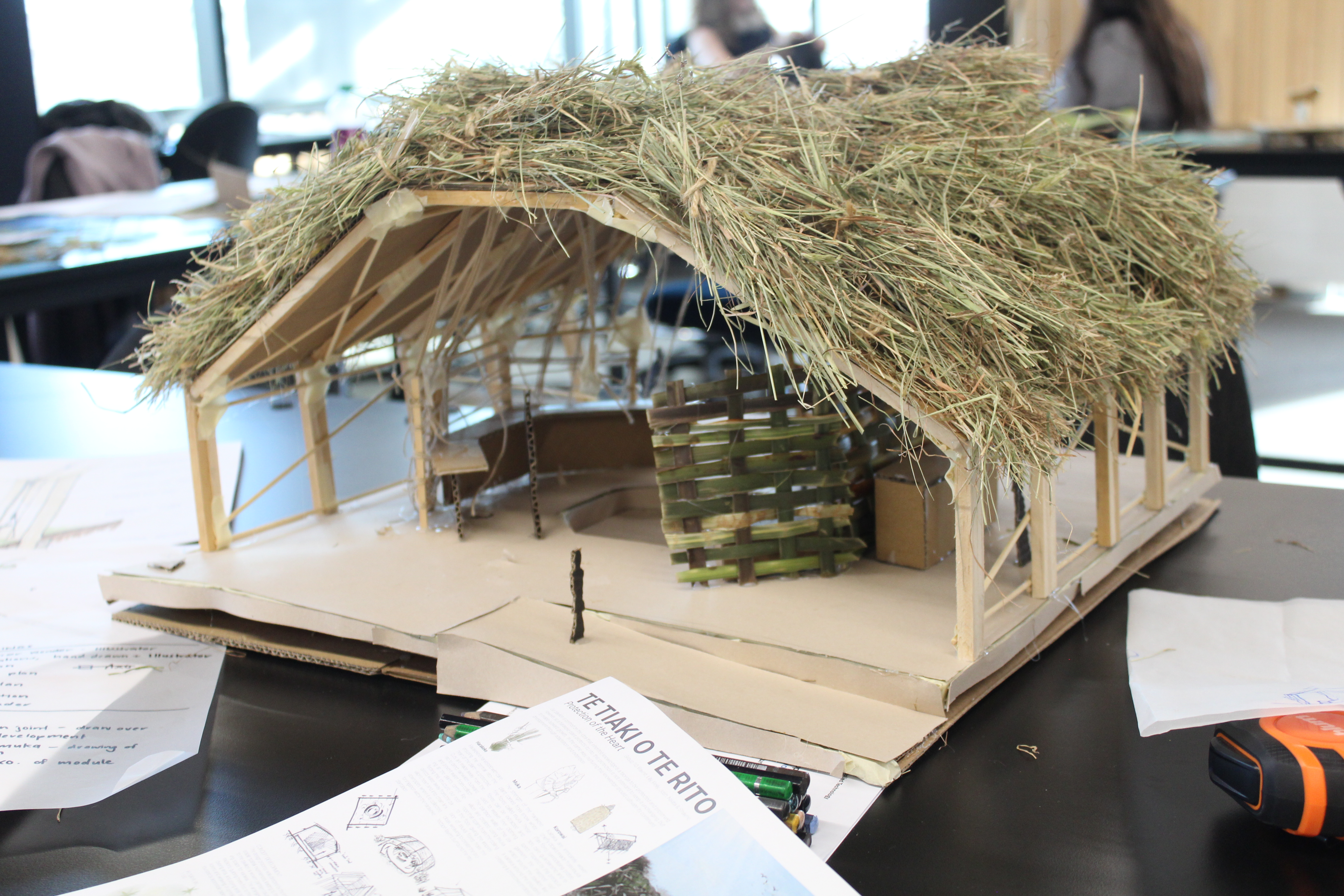
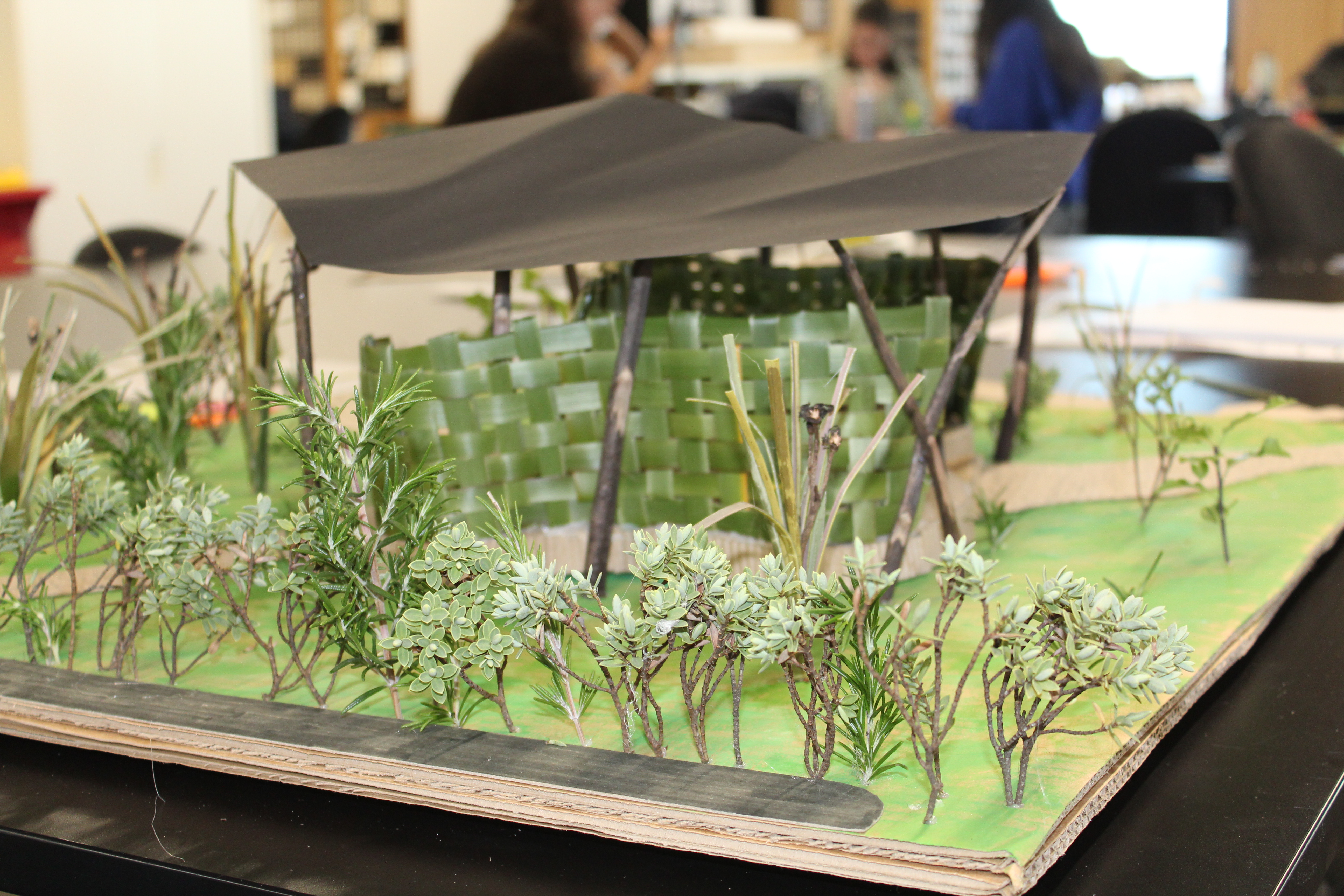
Student teams turned their ideas into scale models using recycled cardboard and harakeke.
As the week progressed, the students translated the lessons learned and their ideas into scale models, made from recycled cardboard and harakeke, ensuring sustainability was at the heart of their mahi.
At the end of the week, each team presented its architectural proposal, visual material and physical model to tutors and Tawiri.
Tawiri said nothing could have prepared her and the volunteer weavers for the “extraordinary presentation”.
“Seeing 17 shelter designs brought to life through beautiful models, thoughtful posters and inspiring kōrero was truly awe-inspiring. Their creativity, enthusiasm and respect for the kaupapa exceeded all our expectations and left us feeling incredibly grateful and inspired.”
“These ākonga have not only imagined possibilities for a shelter at the Pā Harakeke; through their ideas, they have opened our eyes to new ways of thinking about this special place. Their inspired creations and the relationships formed through this project will, I believe, add richness to the weaving community far into the future. It was a privilege to witness their ideas unfold, and we feel immensely fortunate to have been part of their journey.”
Design with purpose. Ara's Bachelor of Architectural Studies combines practical learning, creativity and engagement with communities, helping ākonga develop designs that respond to people, place and culture. Find out more about studying architecture at Ara.